








World Affairs

The Environmental Impact of Sustainable Shipping in the Catering Industry

The Environmental Impact of Sustainable Shipping in the Catering Industry
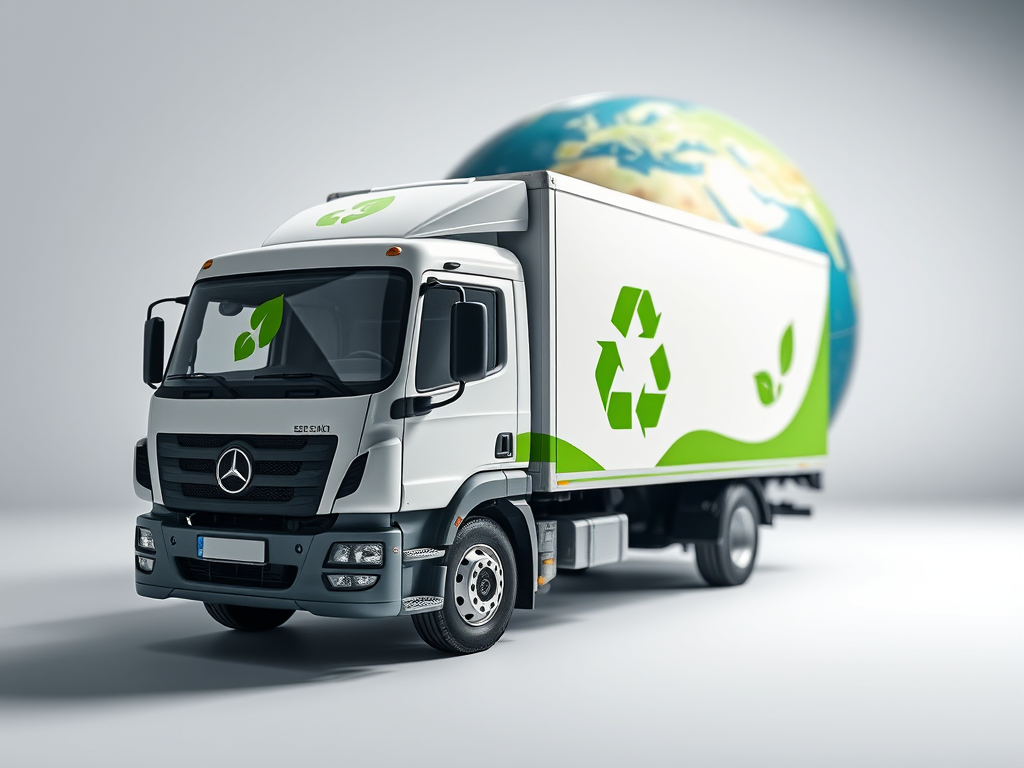
In today’s world, sustainability is more important than ever, and the catering industry is no exception. At Spares Mountain, we’re committed to reducing our environmental footprint while providing fast and reliable service to our customers. One of the key ways we achieve this is through our direct-from-supplier shipping model.

How the Catering Industry Impacts the Environment

The catering industry contributes significantly to global carbon emissions and environmental degradation. Consider the following:

  • In the UK, the catering sector is responsible for approximately 2% of all business and public sector emissions, generating 3.9 million tonnes of CO₂ annually.
  • Kitchens consume vast amounts of energy, with cooking accounting for 40%, refrigeration 28%, and extraction systems 17% of total usage.
  • Globally, the food industry, including catering, contributes to over one-third of all anthropogenic greenhouse gas emissions.

These figures highlight the urgent need for the industry to adopt more sustainable practices, and shipping is one area where significant improvements can be made.

How Our Direct Shipping Model Supports Sustainability

Fewer Transportation Steps

Traditional shipping methods often involve multiple stops, with parts being sent to a warehouse before being dispatched to the customer. Each additional leg of the journey increases the carbon footprint.

  • Our Approach: By shipping directly from the supplier to the customer, we reduce unnecessary transportation, cutting emissions significantly.

Reduced Packaging Waste

In a traditional shipping model, packages are often discarded and repackaged with company branding before being sent to customers. This process generates a significant amount of paper and cardboard waste.

  • Our Approach: By eliminating the need for rebranding or reboxing, we minimize packaging waste while ensuring the product reaches you in its original, secure packaging.

A Small, Energy-Efficient Warehouse

While we do operate a warehouse, it has a small footprint and is designed to store only commonly required parts in high demand. This allows us to minimize energy consumption for storage, lighting, and climate control, reducing our overall environmental impact.

  • For less common items, we rely on direct shipping from our suppliers, further helping conserve energy and reduce emissions. This dual strategy ensures essential parts are readily available while maintaining an eco-friendly operation.

Is the Catering Industry “Cooking Up the Planet”?

The catering industry plays its part in global emissions. From energy-intensive kitchens to wasteful shipping practices, it’s easy to see how we could be “cooking up the planet” if we don’t act responsibly. But it doesn’t have to be this way. By adopting sustainable practices—like our direct-from-supplier shipping model—we can help reduce the environmental impact of the catering sector and contribute to the UK’s climate goals.


The UK’s CO₂ Commitments: Are We Falling Behind?

The UK has made significant progress in reducing greenhouse gas emissions, cutting them by 53% between 1990 and 2023. However, according to the Climate Change Committee (CCC), the nation is not on track to meet its ambitious future targets, including a 68% reduction by 2030 and net zero by 2050.

The CCC highlights that achieving these goals requires accelerated action, particularly in sectors like energy, transportation, and industry. For instance, they recommend increasing the use of renewable energy, expanding the adoption of electric vehicles, and implementing more sustainable heating solutions.

How You Can Support Sustainable Practices and take Earth off the boil

As a catering business, you can also make a difference by:

  • Choosing Eco-Friendly Suppliers: Work with companies that prioritize sustainability in their operations.
  • Maintaining Your Equipment: Proper maintenance ensures machines run efficiently, consuming less energy and reducing waste.
  • Educating Your Team: Encourage staff to adopt sustainable practices, from recycling to minimizing energy use during operations.

Conclusion

Sustainability is a shared responsibility, and at Spares Mountain, we’re proud to do our part. By adopting a direct-from-supplier shipping model and operating an energy-efficient warehouse, we’re helping our customers get the parts they need faster while contributing to a greener, more sustainable future.

Want to learn more about our sustainable shipping practices? Contact us today and discover how we can support your business and the planet.

Leave a Reply